
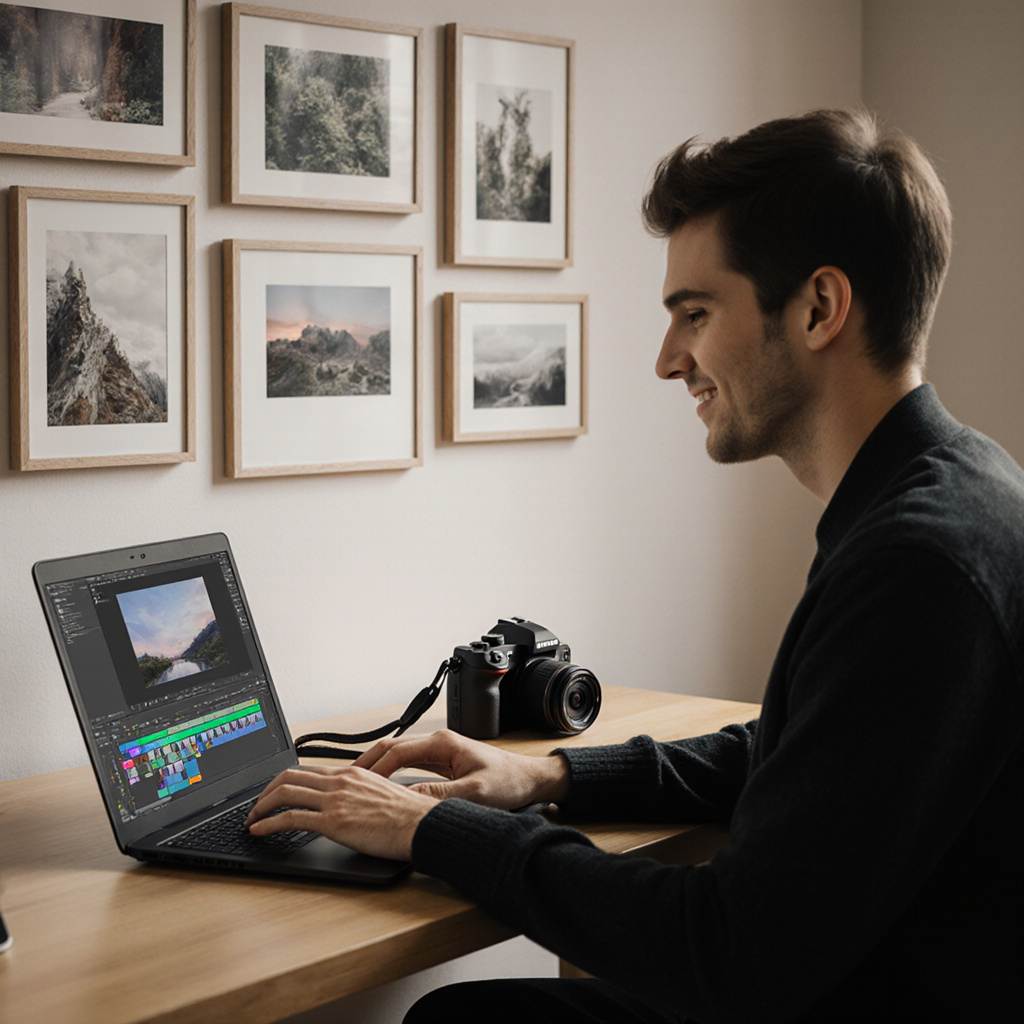
Are you a photographer with a passion for capturing stunning images, but find yourself constantly battling the financial realities of turning your art into a sustainable living? You’re not alone. Many creatives, especially millennials navigating the modern economy, struggle to bridge the gap between their artistic pursuits and stable income. But what if I told you that your existing portfolio, that treasure trove of beautiful photographs, could be a powerful engine for building a profitable side hustle?
Welcome to the world of selling prints and digital products – a fantastic avenue for photographers to diversify their income, gain financial independence, and even achieve a degree of passive income. At SidePocketLab, we’re all about smart strategies for millennial personal finance and side hustles, and leveraging your photography skills for tangible and digital sales is a prime example of working smarter, not just harder.
Why Prints and Digital Products are Your Next Smart Move
In today’s digital age, the demand for both physical keepsakes and convenient digital assets is booming. For photographers, this presents a unique opportunity to monetize their craft beyond client shoots. Here’s why this side hustle is so appealing:
- Leverage Existing Work: You likely have hundreds, if not thousands, of incredible images sitting dormant. Turn them into income streams!
- Passive Income Potential: Once a print or digital product is set up, it can generate sales while you sleep, travel, or focus on other projects.
- Low Overhead: Especially for digital products, the initial investment is minimal. For prints, print-on-demand services eliminate the need for inventory.
- Reach a Wider Audience: Your work isn’t limited to local clients; you can sell to anyone, anywhere in the world.
- Creative Freedom: Sell the art you genuinely love creating, not just what clients commission.
Selling Prints: From Pixels to Tangible Art
There’s something incredibly satisfying about seeing your photograph come to life as a physical piece of art. High-quality prints appeal to collectors, interior designers, and individuals looking to adorn their homes and offices with unique imagery.
What to Sell:
- Fine Art Prints: These are often limited editions, signed, and printed on archival-quality paper. They command higher prices.
- Open Edition Prints: More affordable, unlimited quantities, perfect for broader appeal.
- Canvases, Metal Prints, Acrylic Prints: Offer different aesthetics and price points.
- Framed Photography: Convenience for buyers, higher perceived value for you.
- Calendars, Greeting Cards, Postcards: Smaller, more accessible items that can showcase your work.
How to Sell Prints:
The beauty of modern technology is that you don’t need a darkroom or a physical gallery to sell prints. Print-on-demand (POD) services have revolutionized the game.
- Print-on-Demand (POD) Services: Platforms like Printful, Gelato, and Bay Photo Lab allow you to upload your images. When an order comes in, they print, package, and ship directly to your customer. You only pay when a sale is made, eliminating inventory risk.
- E-commerce Platforms: Set up your own online store using platforms like Shopify or Etsy. Integrate with POD services or handle fulfillment yourself if you prefer more control.
- Local Art Fairs & Markets: A great way to connect with buyers face-to-face and gauge immediate interest in your work.
Pricing and Marketing Prints:
Pricing should reflect print quality, size, exclusivity (limited vs. open edition), and your reputation. Research what similar artists are charging. Market your prints on social media (Instagram and Pinterest are visual goldmines!), through an email list, and consider collaborating with local businesses or interior designers.
Selling Digital Products: Unlock Infinite Scalability
Digital products offer unparalleled scalability. Once created, they can be sold an infinite number of times without additional production costs.
What to Sell:
- Stock Photos: Contribute to platforms like Shutterstock, Adobe Stock, or Unsplash (for exposure, then direct sales).
- Lightroom Presets & Photoshop Actions: Photographers and enthusiasts love tools that streamline their editing workflow.
- E-books & Guides: Share your expertise. Think “Beginner’s Guide to Landscape Photography,” “Mastering Portrait Lighting,” or “Smartphone Photography Tips.”
- Online Courses & Tutorials: If you love teaching, platforms like Skillshare or your own website can host detailed video lessons.
- Digital Backdrops & Textures: For fellow creatives who composite images or need unique backgrounds.
- Social Media Templates: For businesses or individuals needing visually appealing content.
How to Sell Digital Products:
Selling digital goods is typically straightforward and highly automated.
- Your Own Website: Using platforms like Gumroad, Payhip, or integrating e-commerce functionality into your existing website (e.g., WordPress with WooCommerce). This gives you maximum control over pricing and branding.
- Marketplaces: Creative Market, Etsy (for presets, templates), and the aforementioned stock photo sites.
Pricing and Marketing Digital Products:
Digital products are often priced lower than physical prints but can generate significant volume. Consider tiered pricing for bundles (e.g., a set of presets). Marketing involves strong SEO for your product descriptions, leveraging social media tutorials (showing how your presets work), guest blogging, and building an email list focused on photography tips and resources.
Building Your Brand and Audience
Whether you’re selling prints or digital goods, a strong brand presence is crucial. Your brand is more than just a logo; it’s the consistent style, voice, and values that resonate with your target audience.
- Curate a Strong Portfolio: Showcase your best, most cohesive work. This is your visual resume.
- Consistent Online Presence: Maintain a professional website, an active blog, and engaging social media profiles (Instagram, Pinterest, even TikTok for short-form tutorials).
- Email Marketing: Build an email list to announce new products, share exclusive content, and offer discounts. This is your most direct line to interested buyers.
- Tell Your Story: People connect with authenticity. Share the stories behind your photographs, your creative process, and what inspires you.
Legal and Financial Considerations
As you transition from hobbyist to entrepreneur, there are a few important considerations:
- Business Registration: Depending on your location and projected income, you might need to register your side hustle as a sole proprietorship or LLC. Consult local regulations.
- Taxes: Income from your side hustle is taxable. Keep meticulous records of all income and expenses. Consider setting aside a percentage of your earnings for taxes. In the U.S., if you expect to owe at least $1,000 in tax, you may need to pay estimated taxes quarterly. (Source: IRS.gov).
- Intellectual Property: Understand copyright laws. Ensure your images are properly watermarked or registered if necessary, and use appropriate licenses for your digital products.
Your Photographic Journey to Financial Freedom
The journey from taking photos to selling them as prints and digital products is an empowering one. It’s a tangible way to transform your passion into profit, providing you with opportunities for passive income, creative freedom, and a stronger financial footing. It requires dedication, a willingness to learn, and smart marketing, but the rewards—both financial and personal—are immense.
So, take that first step. Review your portfolio, identify your strongest images, and decide which path (prints, digital, or both!) aligns best with your goals. Your lens isn’t just capturing moments; it’s capturing your future financial freedom. Happy shooting, and even happier selling!