
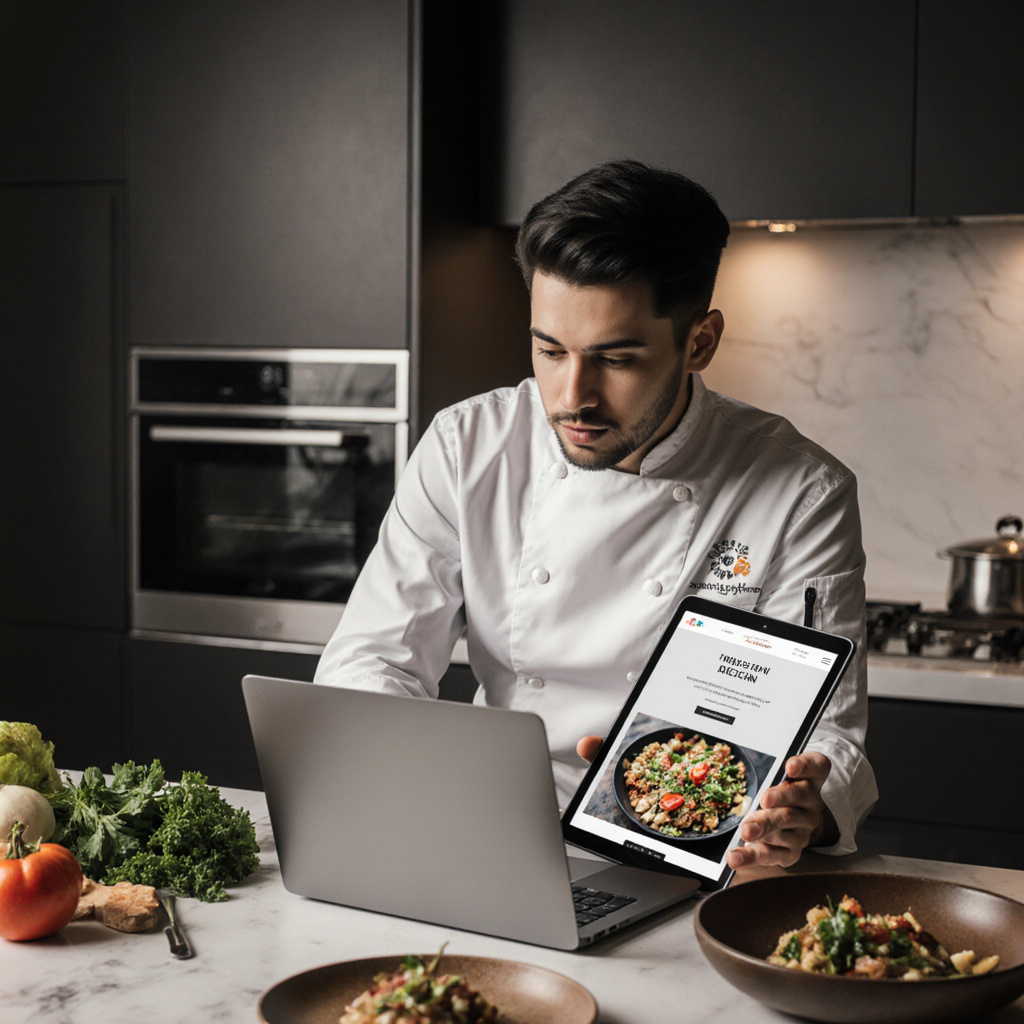
From Culinary Dreams to Digital Reality: Why Your Chef Skills Are an Online Goldmine
Hey, SidePocketLab fam! If you’ve ever found yourself lost in the rhythmic chop of a knife, the sizzling melody of a pan, or the exquisite balance of a perfectly plated dish, you know the magic of cooking. For many, it’s more than just a job; it’s a passion, a calling, an art. But let’s be real: the traditional culinary path, while rewarding, often comes with grueling hours, intense pressure, and a salary that doesn’t always reflect the immense talent and dedication involved. Sound familiar?
This is where the millennial mindset kicks in – the drive for financial freedom, work-life balance, and leveraging our skills in innovative ways. What if you could take your culinary prowess beyond the confines of a restaurant kitchen and transform it into a thriving online side hustle? Imagine setting your own hours, reaching a global audience, and building a brand that’s authentically YOU. It’s not just a dream; it’s an increasingly accessible reality.
The digital age has opened up unprecedented avenues for chefs to monetize their passion for cooking online. Whether you’re a seasoned executive chef, a passionate home cook with professional-grade skills, or somewhere in between, there’s a corner of the internet waiting for your unique flavor. Let’s dive into how you can turn your love for food into a lucrative online venture.
The Digital Kitchen Revolution: Why Now is the Time
The culinary landscape is evolving rapidly. People are more interested than ever in cooking at home, learning new techniques, and exploring diverse cuisines. This surge in interest, partly fueled by recent global shifts, has created a massive demand for accessible, high-quality culinary content and services online. From virtual cooking classes to gourmet meal kits, the market is ripe for innovation.
Moreover, the tools for going digital have never been easier to use or more affordable. You don’t need a massive budget or a tech degree to set up an online store, launch a course, or build a personal brand. With a smartphone, a decent internet connection, and your incredible culinary skills, you’re already halfway there.
Your Online Menu: Diverse Side Hustle Ideas for Chefs
1. Master the Art of Online Cooking Classes
This is arguably one of the most direct ways to share your knowledge and earn an income. You can offer live, interactive classes via platforms like Zoom or Google Meet, teaching anything from basic knife skills to intricate pastry techniques. For a more passive income stream, record high-quality, pre-produced courses and sell them on platforms like Teachable, Thinkific, or even through your own website. Think about niche topics – vegan baking, gluten-free Italian, fermentation basics – to attract a dedicated audience. Source: According to a recent report by Research and Markets, the global online education market, which includes online cooking classes, is projected to grow significantly in the coming years.
2. Recipe Development, Food Blogging & Vlogging
Do you have a knack for creating unique recipes or putting a fresh twist on classics? Start a food blog or a YouTube channel! Share your recipes, cooking tips, kitchen hacks, and personal culinary stories. Monetize through:
- Ad revenue: Once your audience grows, display ads on your blog or YouTube videos.
- Affiliate marketing: Recommend your favorite kitchen tools, ingredients, or cookbooks and earn a commission on sales.
- Sponsored content: Collaborate with food brands to create recipes or reviews featuring their products.
- Selling e-cookbooks: Compile your best recipes into a digital cookbook and sell it directly.
Consistency and high-quality photography/videography are key here.
3. Gourmet Meal Prep & Delivery (Local & Online)
If you love the hands-on aspect of cooking, consider launching a gourmet meal prep or catering service with an online ordering system. Start locally, offering weekly menus for busy professionals, new parents, or those with specific dietary needs. Use platforms like Squarespace or Shopify to set up an attractive online storefront for orders and payments. As you grow, you might explore shipping shelf-stable gourmet products (sauces, spice blends, artisan baked goods) nationally. Remember to check local food safety regulations and licensing requirements.
4. Personal Chef & Catering Consulting
Leverage your expertise by offering online consultations for aspiring personal chefs, home cooks looking to host dinner parties, or even small restaurants needing menu development advice. You can charge an hourly rate for virtual one-on-one sessions, helping clients plan menus, source ingredients, and troubleshoot culinary challenges. This is a high-value service that utilizes your professional experience directly.
5. Culinary Content Creation for Others
Many food brands, magazines, and websites are constantly seeking high-quality culinary content. Offer your services as a freelance food stylist, recipe developer for hire, or food photographer. Build a strong portfolio of your work and reach out to brands that align with your style. Platforms like Upwork or Fiverr can also be a starting point for finding clients.
Building Your Digital Brand: Standing Out in a Crowded Kitchen
The online culinary space is buzzing, so how do you get noticed? It comes down to two things: authenticity and value.
- Define Your Niche: What makes your cooking unique? Is it a specific cuisine, a dietary focus, a technique, or a personality trait? Hone in on what sets you apart.
- High-Quality Content: Invest in good lighting, a decent camera (even your smartphone can be great!), and clear audio for videos. Your visuals and instructions should be as polished as your plating.
- Engage Your Audience: Respond to comments, ask questions, run polls. Build a community around your passion.
- Consistent Online Presence: Regularly post on social media (Instagram and TikTok are goldmines for food content!), update your blog, and send out newsletters. Consistency builds trust and anticipation.
The Business Side of Bytes: Monetization & Management
As you transition from chef to chef-entrepreneur, understanding the business fundamentals is crucial.
- Pricing Your Services: Research what others in your niche are charging. Consider your experience, the value you provide, and the time commitment. Don’t undervalue your professional skills!
- Payment Systems: Use reliable online payment processors like Stripe, PayPal, or built-in options on course platforms.
- Financial Tracking: Keep meticulous records of all income and expenses. This is vital for budgeting, understanding profitability, and, of course, tax season. Tools like QuickBooks Self-Employed or simple spreadsheets can be lifesavers. Source: The U.S. Small Business Administration (SBA) emphasizes the importance of accurate record-keeping for small businesses and independent contractors.
- Marketing & Promotion: Don’t just create; promote! Use social media ads, email marketing, and collaborations with other food influencers or complementary businesses to expand your reach.
Conclusion: Your Culinary Future, Unrestricted
The journey from a traditional kitchen to a thriving online side hustle might seem daunting, but it’s incredibly rewarding. It offers the flexibility, creative control, and financial potential that many millennials crave. By leveraging your passion for cooking and embracing the digital tools available, you’re not just building a side hustle; you’re crafting a new chapter in your culinary career – one that’s entirely on your terms.
So, what are you waiting for? Dust off those chef’s whites, fire up your laptop, and start cooking up your online empire. The world is hungry for what you have to offer!